
The Intricate Dynamics of Jueteng in the Philippines
Jueteng, a widely recognized numbers game, holds a significant yet controversial place in the Philippines' social and economic landscape. Despite being illegal, its pervasive presence across various provinces underscores its deep-rooted cultural resonance and economic necessity for many Filipinos. In this article, we delve into the complexities of Jueteng, exploring the mechanisms of how it operates, its impact on society, and the curious mention of the term 84D within its context.
What Is Jueteng?
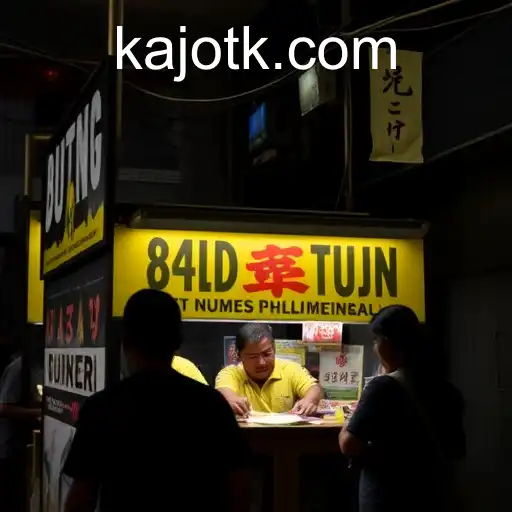
Jueteng is a form of illegal lottery widely played in the Philippines. Typically, it involves the selection of a pair of numbers, usually from 1 to 37, which bettors believe will be drawn in the next game. Operators, known as kubradors and cobradores, collect bets door-to-door, offering accessibility and convenience to players from all walks of life. Winners are paid through a network of bookies, and the system operates under a layer of anonymity that has helped it persist despite government crackdowns. The allure of quick and substantial monetary gains makes Jueteng particularly attractive, especially in economically disadvantaged areas where it offers a semblance of financial hope.
The Roots of Jueteng
The origins of Jueteng can be traced back to Chinese immigrants during the Spanish colonization era, where it integrated seamlessly into the local customs over centuries. Its resilience and entrenchment in Philippine society stem from its simple mechanics and potential high rewards, making it a preferred gambling choice among many Filipinos. However, being illegal, it exists in a shadow economy that often evades regulation and taxation, depriving legitimate tax revenue channels, which could otherwise benefit public funding.
Understanding 84D in Jueteng
The term 84D occasionally surfaces in discussions surrounding Jueteng, yet its significance requires unpacking. In the broader lexicon of gambling, numbers and sequences often carry symbolic or superstitious meanings, and 84D may hint at a particular local numeric belief or code used internally among players and operators. In Jueteng, where codes and euphemisms are critical to maintaining operational secrecy, numbers like 84D might represent betting nuances or game-specific information—reflective of Jueteng's adaptable nature.
The Socioeconomic Implications
The clandestine nature of Jueteng, while criticized, serves as an informal financial system for many. Communities rely on successful betting outcomes for daily sustenance, educational fees, and emergency expenses. However, this dependency can lead to problematic gambling behavior and financial instability. Furthermore, the clandestine revenues generated are often linked to corruption and criminal syndicates, prompting ethical debates on whether regulation or eradication would best address its pervasive influence.
Regulatory Efforts and Challenges
Efforts to eradicate Jueteng have proven challenging for regulatory bodies. Crackdowns often lead to temporary setbacks rather than long-term solutions, as operators find innovative ways to bypass laws. The question of whether to legalize and regulate Jueteng has been debated frequently, with proponents arguing for potential tax revenues and structured oversight and opponents concerned about moral and ethical implications. The lack of consensus leaves the issue of Jueteng lingering in legal and societal limbo.
Perspectives on Legalization
Advocates for legalization posit that proper regulation could minimize the corruption associated with Jueteng while maximizing its economic benefits through taxation. By incorporating Jueteng into the formal economy, governments could alleviate some of the societal expenditures stemming from illegal gambling. Nevertheless, there are concerns that legalization might increase gambling addiction and undermine social values, especially among the youth who could be more vulnerable to such activities.
The Cultural Resilience of Jueteng
Despite numerous challenges and legal actions against it, Jueteng continues to be an enduring feature of Filipino life, symbolizing resilience and adaptability. For many communities, it plays a dual role in providing hope and instigating moral dilemmas. The game's sustained popularity reflects deep-seated cultural attitudes towards luck, fortune, and the desire for economic upliftment amidst persistent poverty. Moreover, its existence challenges modern governance to reconcile with traditional practices in increasingly urbanized settings.
Conclusion: Navigating the Jueteng Quandary
While Jueteng presents economic opportunities for immediate financial relief, it remains a complex issue embedded in social, economic, and cultural nuances. The mention of terms like 84D symbolizes the intricate lexicon of this world, indicating a rich tapestry of beliefs and practices surrounding the game. As society continues to grapple with the positive and negative aspects of Jueteng, striking a balance between regulation, eradication, and cultural acknowledgment will be crucial to its future role in Filipino society.